Monday, April 6, 2026

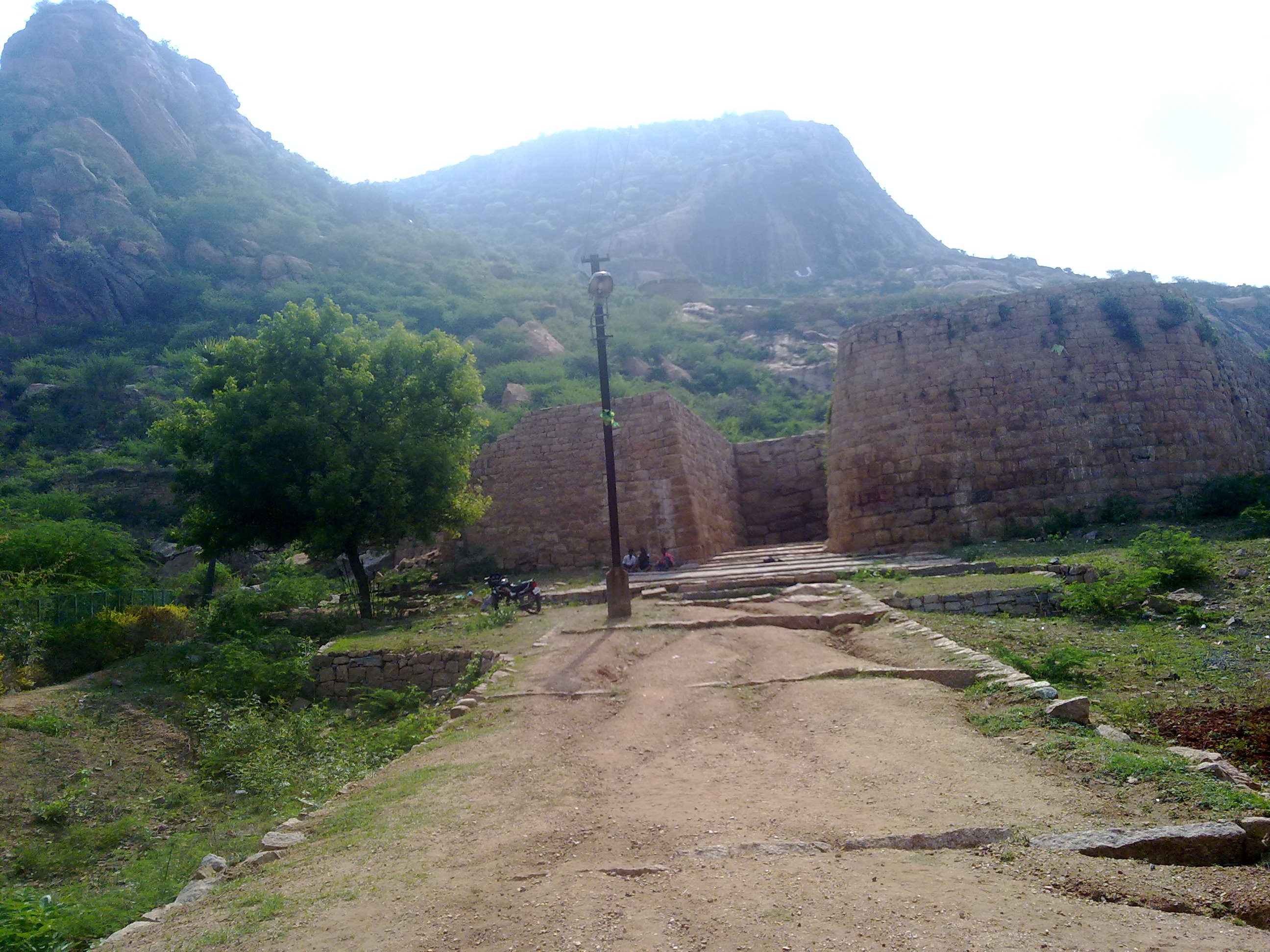
Reassessing The Identity Of Palamkota Fort: The Case For Thiyagadurgam

The mysterious Palamkota Fort mentioned in Mughal and Maratha records during the late 17th century—has long been a subject of confusion among historians of South Indian warfare. The fort was reportedly besieged by the Mughals after their return from the campaign against the Tanjore Marathas and was connected with Rajaram Chhatrapati, who mortgaged it to King Shahji II of Thanjavur to sustain his forces at Gingee Fort (Jinji) during the Mughal siege. Despite repeated references, no site definitively identified as “Palamkota” survives on modern maps.


Read  - https://gingeefort.online/reassessing-the-identity-of-palamkota-fort-the-case-for-thiyagadurgam/

Sunday, April 5, 2026

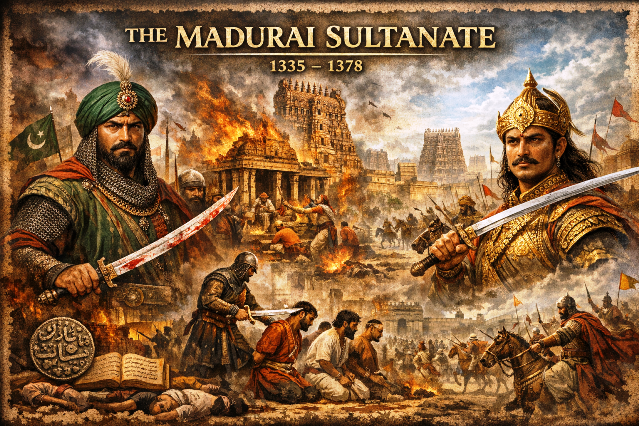
The Madurai Sultanate (1335–1378): Rule, Violence, and Resistance in Medieval South India

The Madurai Sultanate occupies a brief yet deeply consequential place in the history of South India. Lasting for about four decades—from 1335 to 1378—it emerged during a period of political collapse, external invasion, and internal fragmentation. Despite its relatively short duration, its rule left behind a powerful historical memory, shaped by accounts of warfare, religious conflict, and harsh governance.

The Madurai Sultanate 1335–1378

This period is not easy to interpret. Much of what we know comes from diverse sources: Persian chronicles, the travel writings of Ibn Battuta, Tamil inscriptions, and literary works such as Madura Vijayam by Gangadevi. Each source reflects a particular perspective, and together they create a layered narrative that must be approached critically.

Read- https://gingeefort.online/the-madurai-sultanate-1335-1378-rule-violence-and-resistance-in-medieval-south-india/

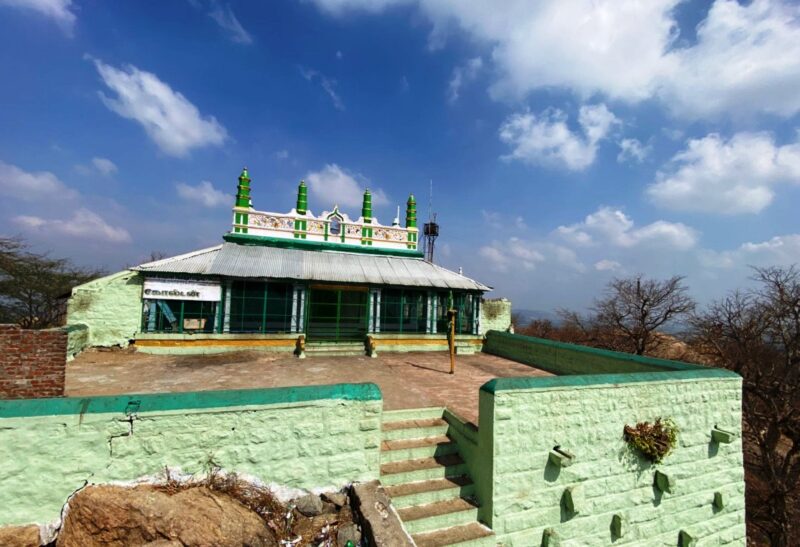
The Last Sultan on the Hill: Sikandar Shah, the Madurai Sultanate, and the Dargah at Thiruparankundram

There is a hill at Thiruparankundram, just outside Madurai, that carries more history than most people realise. Most visitors know the site for its ancient Murugan temple, one of the six abodes of the war god, cut deep into the rock face of the hill. Far fewer notice what stands on the northeastern slope — a modest but deeply venerated dargah, quietly watching over a landscape that witnessed one of medieval South India’s most consequential turning points. This is the dargah of Sikandar Shah, the last ruler of the Madurai Sultanate, a man remembered in equal measure as a vanquished king, a spiritual seeker, and — depending on who is telling the story — a saint.

The Last Sultan On The Hill Sikandar Shah The Madurai Sultanate And The Dargah At Thiruparankundram

Read - https://gingeefort.online/the-last-sultan-on-the-hill-sikandar-shah-the-madurai-sultanate-and-the-dargah-at-thiruparankundram/

A Forgotten War for a Hill Fortress: Reviewing The Conquest of the Madras Karnatak and Gingee by Mughals

This ebook is a carefully researched and engagingly written study of one of South India’s most turbulent but overlooked periods: the Mughal conquest of the Madras Karnatak and Gingee.Rather than presenting events as isolated battles, it shows how imperial strategy, regional politics, and local loyalties intertwined to shape the fate of the eastern Deccan and northern Tamil country.

The author does a thorough job of unpacking the complex triangle between the Mughal empire, the Marathas, and local chieftains, especially around the dramatic sieges of Gingee.Campaigns are clearly dated and situated, with enough geographical and political context to help readers who may not be familiar with the Karnatak–Gingee region. Military movements are explained in terms of terrain, fortifications, and logistics, which adds depth beyond a simple “who fought whom” narrative. 

One of the strongest features of the book is how it balances narrative flow with documentation. Quotations from chronicles, references to Persian and European sources, and use of regional records give the story academic weight, but the prose is still accessible to non‑specialists.

The focus on Gingee fort, its defences, and its symbolic importance to both Marathas and Mughals will especially appeal to fort‑heritage enthusiasts and local historians.

The layout of the ebook—clear chapter divisions, subheadings, and well‑structured paragraphs—makes it convenient for both continuous reading and selective reference.Readers interested in the broader Mughal–Maratha struggle, the political history of Tamil Nadu, or the historical background to Gingee’s monuments will find this a valuable and satisfying resource.Read or download here:

https://gingeefort.online/the-conquest-of-the-madras-karnatak-and-gingee-by-mughals/

Saturday, April 4, 2026

The Conquest of the Madras Karnatak and Gingee by Mughals


Step into the turbulent world of 17th- and 18th-century South India, where empires clashed for power and prestige. The Conquest of the Madras Karnatak and Gingee by Mughals brings to life the dramatic campaigns, secret alliances, and daring sieges that reshaped the Tamil and Deccan heartlands. From the towering walls of Gingee Fort to the shifting politics of the Karnatak, this compelling narrative uncovers how the Mughal Empire extended its reach deep into the South — forever altering the region’s destiny. Richly detailed and vividly written, this book is perfect for readers of history, heritage, and epic struggles for dominance.  

The late 17th century was a turbulent time for the Madras Karnatak, a region along India’s southeastern coast caught in a web of shifting powers, local chieftains, and distant rulers. This period, roughly spanning 1680 to 1698, saw the region’s political landscape fractured by conquests, invasions, and fragile truces. Let’s dive into the complex dynamics of the Madras Karnatak during this era, exploring its divisions, the fading grip of the Bijapur Sultanate, and the rise of Maratha influence.

Read Here - https://gingeefort.online/the-conquest-of-the-madras-karnatak-and-gingee-by-mughals/

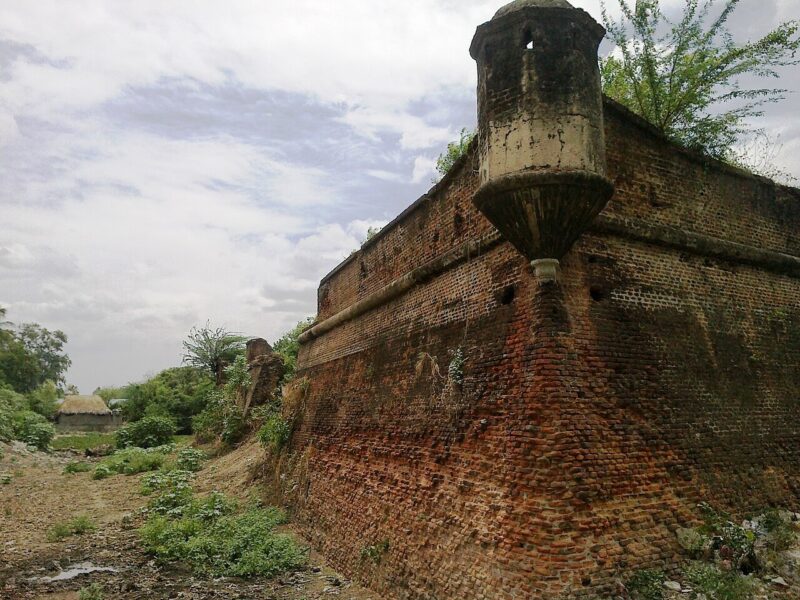
Wandiwash Fort: History, Battle of 1760 and How to Visit Vandavasi

Vandavasi is an ordinary small town in the Tiruvannamalai district of Tamil Nadu — busy markets, crowded junctions, the usual rhythms of a South Indian municipality. It sits about 110 kilometres southwest of Chennai on State Highway 5, which connects Tindivanam to Arcot. Most travellers pass through it without a second thought.

Vandavasi Fort

https://gingeefort.online/wandiwash-fort-history-battle-of-1760-and-how-to-visit-vandavasi/

Sankagiri Fort: Complete History, Structure, and Significance

 Sankagiri Fort is located in Sankagiri, about 35 kilometers from Salem. The fort is built on a steep, isolated hill that rises prominently from the surrounding plains.

This location was not chosen by chance. It gave a wide and clear view of the region, allowing rulers to monitor movement across important trade routes. These routes connected the Kongu region of Tamil Nadu with parts of Karnataka and Kerala. Goods such as spices, textiles, and grains moved through this region, making it economically valuable.

Because of this, Sankagiri became both a military checkpoint and a trade control center. Any power that controlled this fort could influence movement, trade, and local governance.

Ranjankudi Fort – A Complete Guide to Its History, Architecture, and Present State

 Ranjankudi Fort stands as one of the most underrated historical sites in Tamil Nadu. Located in a quiet rural setting, it does not receive the same attention as major forts like Gingee or Vellore. However, its importance in South Indian history is significant. The fort reflects multiple layers of political control, architectural evolution, and military strategy.

Unlike many forts that were built purely for royal residence, Ranjankudi Fort was designed mainly for defense and control of movement across the region. Its structure, layout, and location clearly show that it was built to withstand attacks and serve as a strategic stronghold. Even today, the remains of the fort reveal how carefully it was planned.

The Sentinel of the Baramahal: A Complete History of Krishnagiri Fort

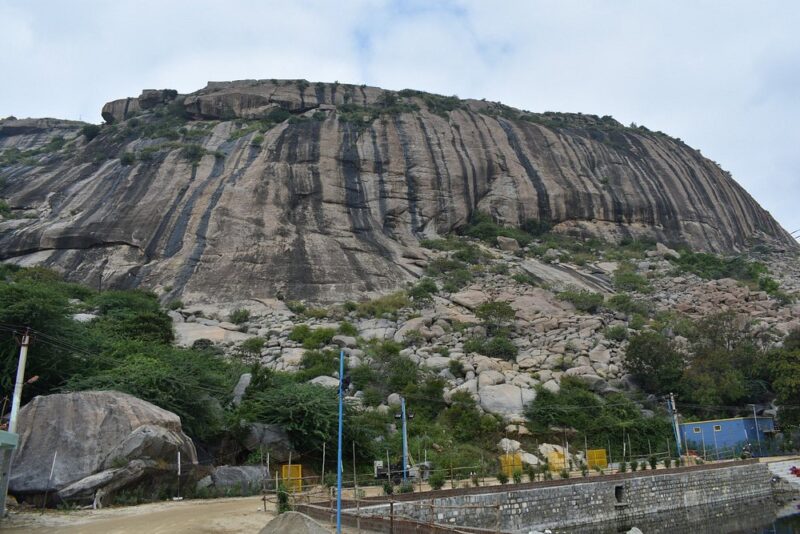
 The skyline of Krishnagiri is dominated by a massive granite monolith, crowned by ancient stone walls that seem to grow directly out of the rock. This is the Krishnagiri Fort, a site that for centuries acted as the strategic lock and key to the Deccan Plateau. To understand the history of South India—from the medieval brilliance of the Vijayanagara Empire to the colonial expansion of the British East India Company—one must understand Krishnagiri.

Front View Krishnagiri Fort

https://gingeefort.online/the-sentinel-of-the-baramahal-a-complete-history-of-krishnagiri-fort/  

The Citadel of the Kaveri: Definitive History of Trichy Rock Fort

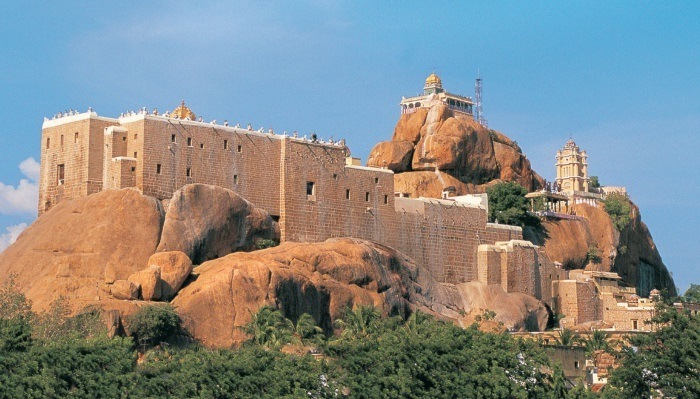
 The Tiruchirappalli Rock Fort, or Malaikottai, is a geological and historical titan. Standing 83 meters (272 feet) above the sea of red-tiled roofs in Trichy, it is a 3.8-billion-year-old volcanic plug that has been carved, fortified, and fought over by every major power in South Indian history. This is the exhaustive chronicle of its journey from the Earth’s cooling crust to the cradle of the British Raj.

Trichy Rock fort


The Primordial Foundation: 3.8 Billion Years of Geology

Before the first human hand touched this stone, the Trichy Rock Fort was already an ancient entity. Geologically, the outcrop is a massive formation of Archaean Gneiss, specifically quartz and feldspar.

  • Age Comparison: Radiometric dating places the rock at 3,800 million years old. To grasp this, consider that the Himalayas are roughly 50 million years old. The Rock Fort existed when the Earth’s atmosphere was devoid of oxygen and the first tectonic plates were just beginning to stabilize.

  • Volcanic Origin: Scientists believe the rock is a “volcanic plug”—the hardened magma remained after the surrounding softer volcano eroded away over eons. This extreme density made it nearly impossible for medieval invaders to tunnel through, providing a “natural vault” for the city’s treasures and ammunition.

Reassessing The Identity Of Palamkota Fort: The Case For Thiyagadurgam

The mysterious   Palamkota Fort  mentioned in Mughal and Maratha records during the late 17th century—has long been a subject of confusion a...